
×
Why Confiidence What is Confiidence FEB 28 MEET UP Don't Miss! Explore Now Confiidence Parents

25 minutes a day for skills and confidence that last a lifetime
For children in Primary 1 to 6

“Courage is the most underestimated by-product of a good education. It grows from failing repeatedly and figuring things out for oneself, creating the habit of facing any problem with quiet confidence that persistence will win.”

WHAT IS THE
Confiidence Program

parent1
parent2

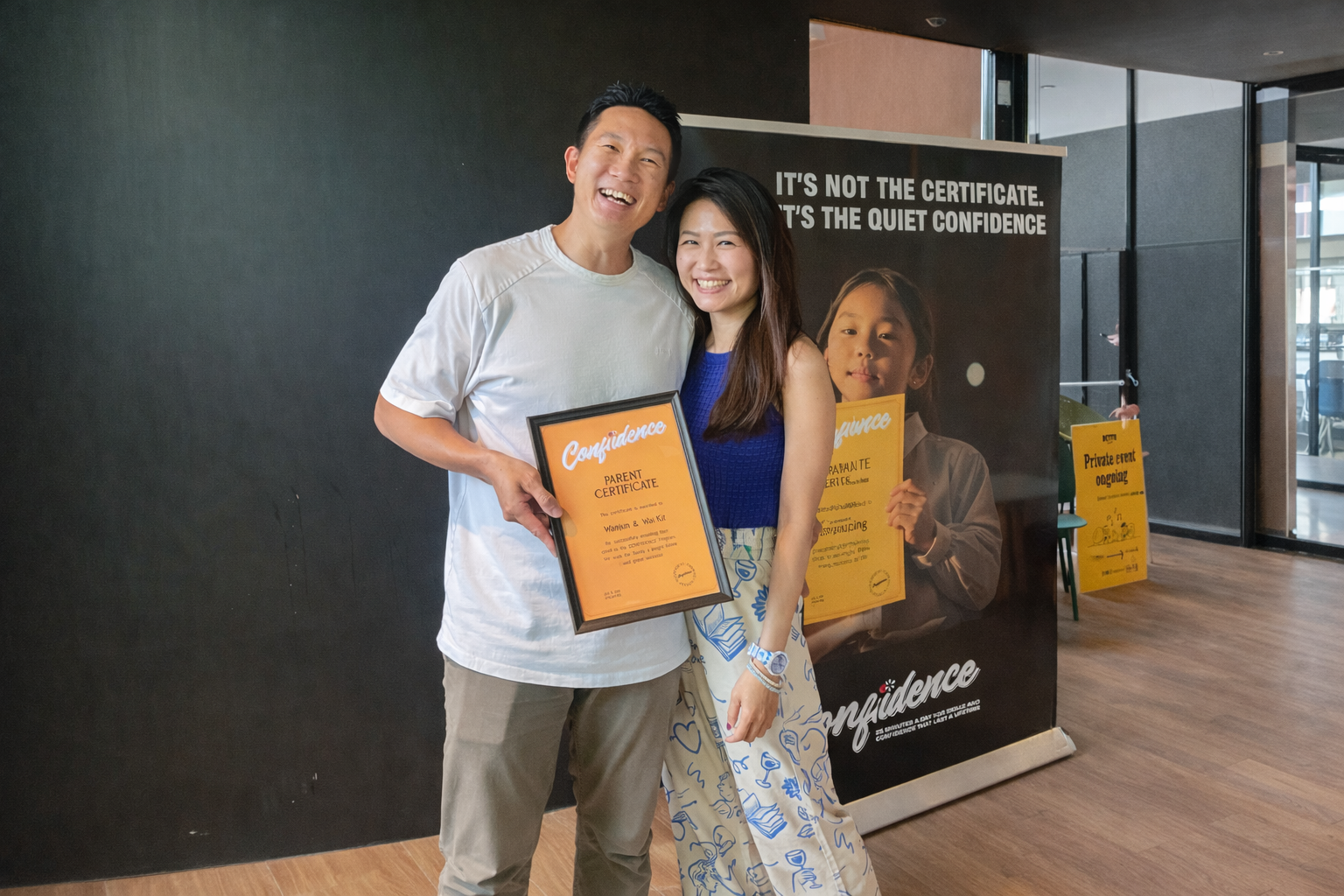
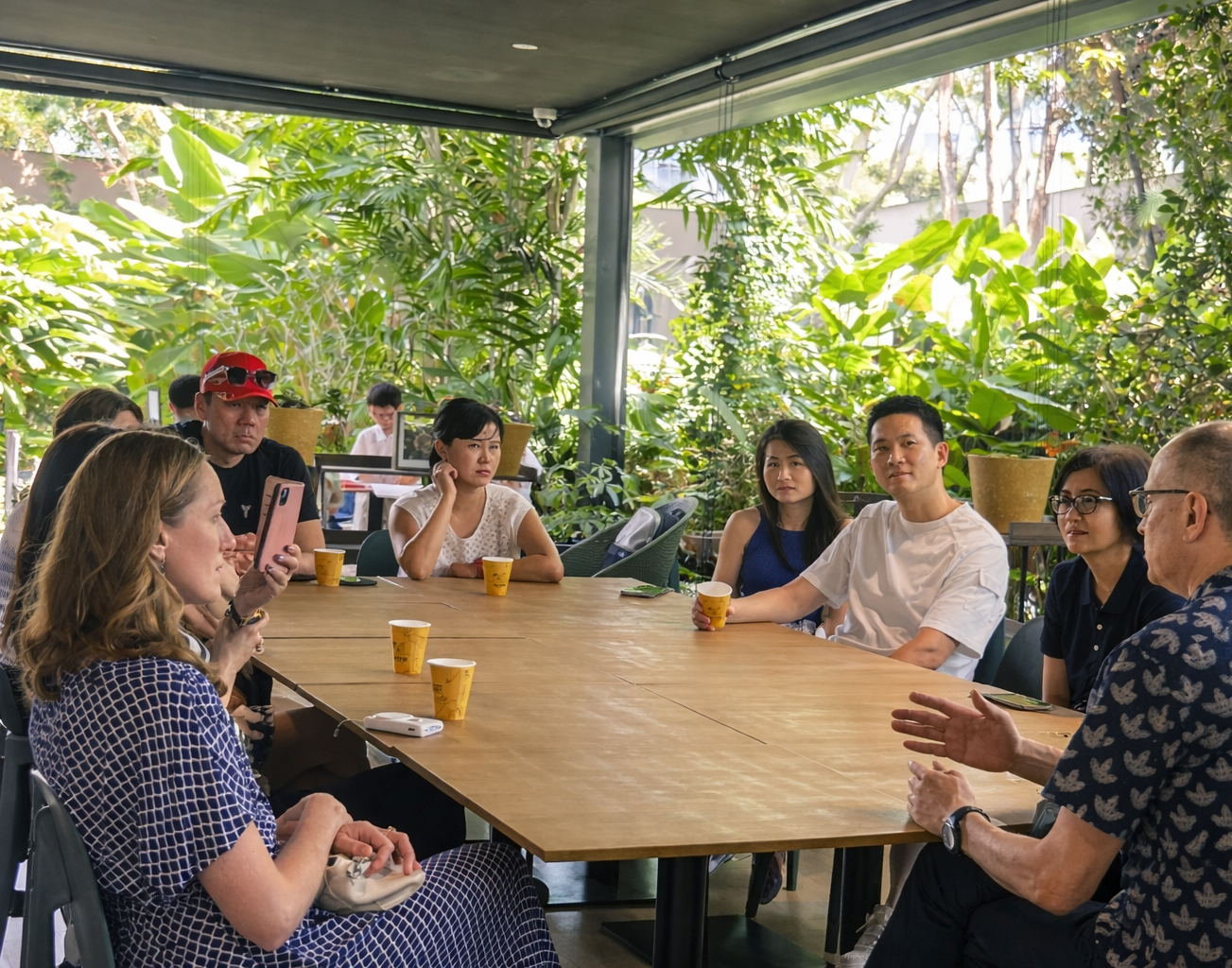
WELCOME! THE FIRST CONFIIDENCE PARENTS IN SINGAPORE.

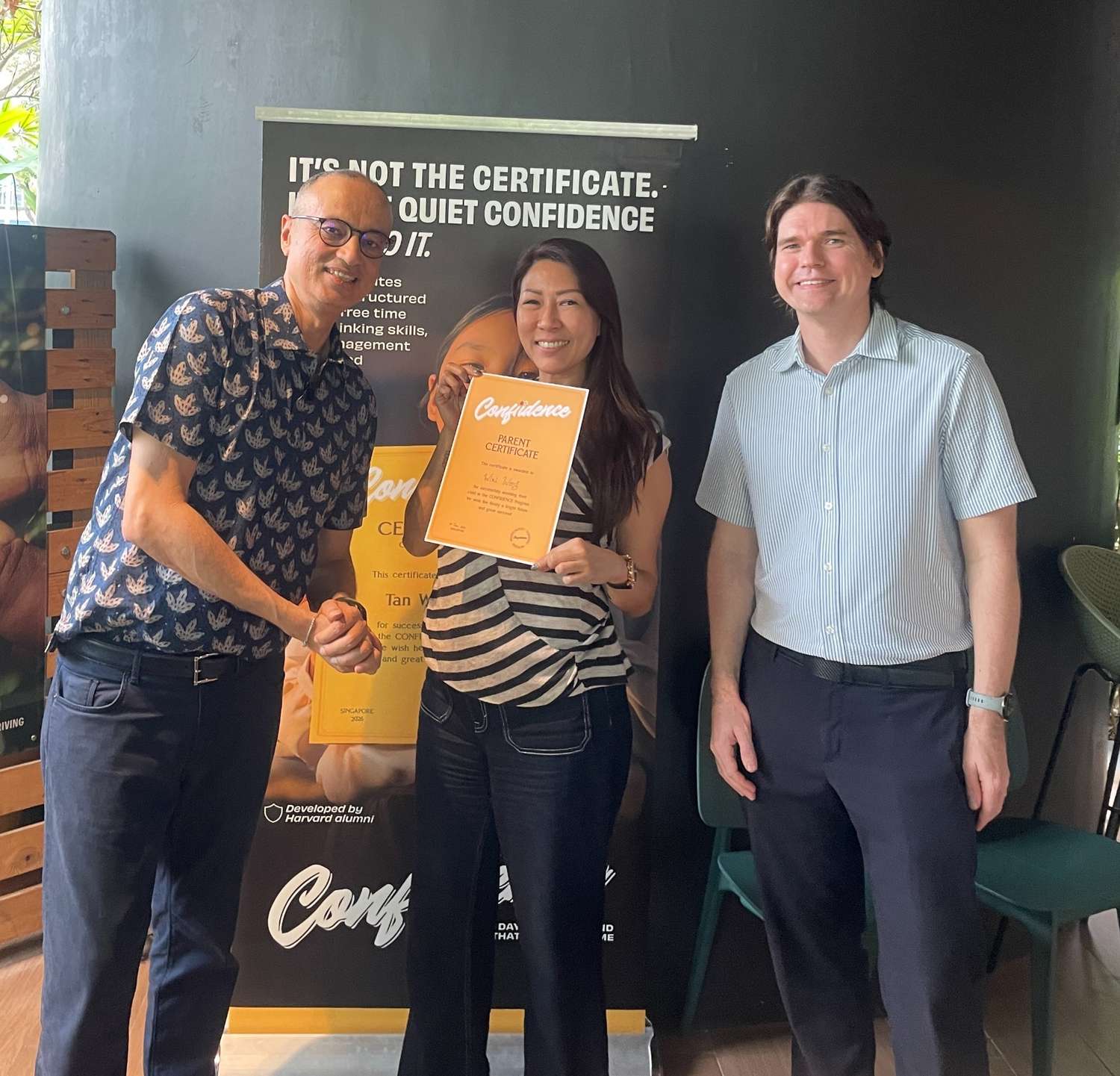
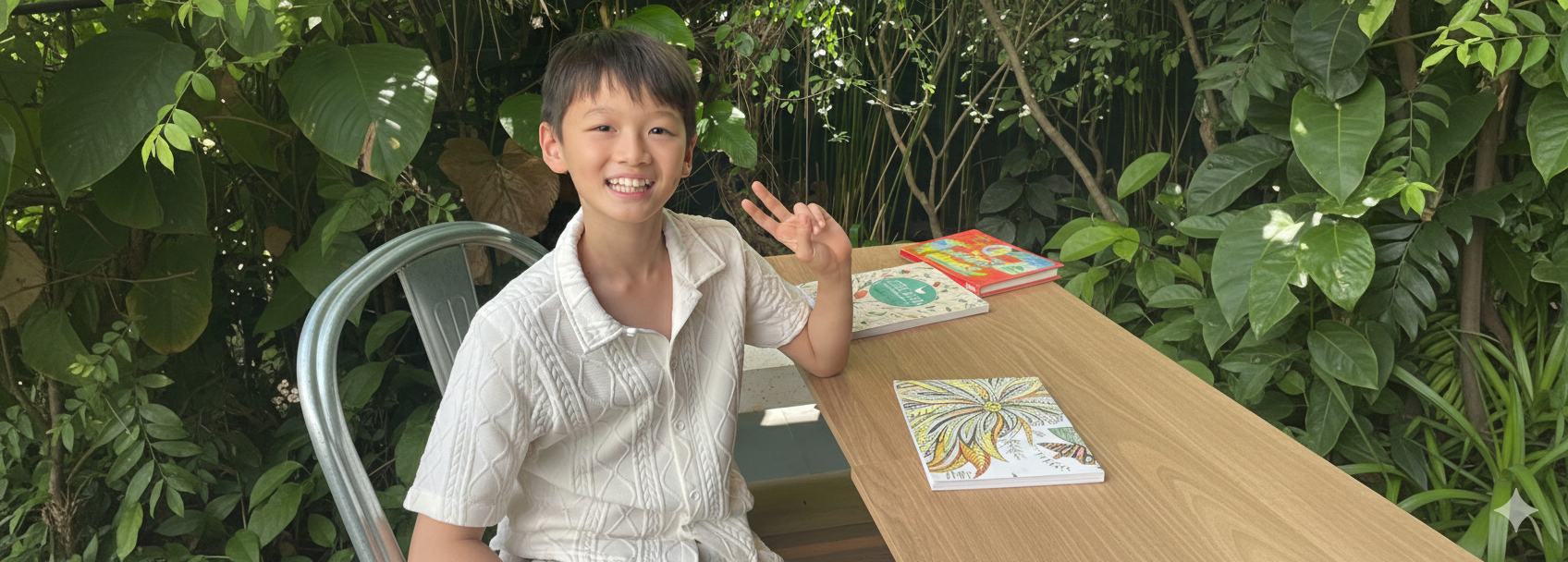
In a simple yet charged Meet Up on Sunday, Confiidence enrolled its first five children in Singapore. We wish them life-long learning, resilience, and success!Apply Now

Science Math English

The Program. CREATED BY HARVARD ALUMNI

The Confiidence program is a powerful after-school program for students in Primary levels 1-6 to prepare them for the future in a foundational long-term way. It is designed by a global team of educators led by Harvard alumniApply Now

Thinking

Future-Ready Independent Thinkers.

The benefit of the Confiidence program is it builds independent thinking skills, long-term academic performance, and confidence in children. It works to make children future-ready and able to face ambiguity and solve problems independently, confidently, and ethically. This capability also ensures success in higher studies, competitive exams, and the careers of tomorrowApply Now

Schedule

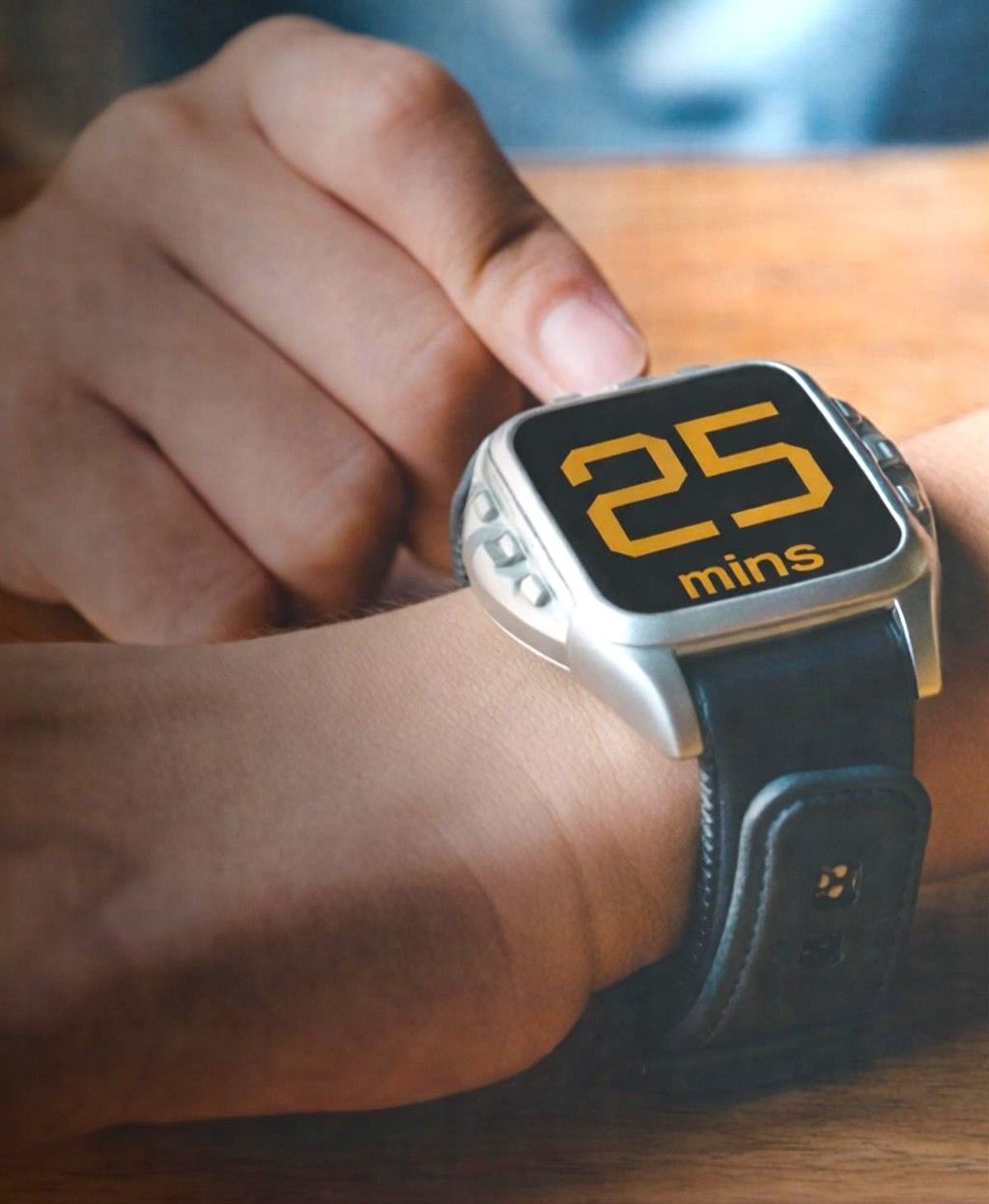
25 Minutes a Day.

It requires just 25 minutes a day. In a typical day, your child will do an engaging research-based learning activity, then have a short, five-minute structured discussion with you, and solve five interesting questions that are interdisciplinary and engaging Apply Now

Science Math English

INTEGRATED APPROACH.

The program builds deep academic skills in a foundational and integrated manner, hence de-silo-ing learning. The program covers the most critical topics and skills from the three core subjects: Science, Mathematics, and English. It helps students see connections across subjects and apply them. A fourth, Self-Management, inculcates critical habits and life skills - including resilience, empathy, independence, and creative problem-solving. These are essential for success in today’s world Apply Now

Books

Child’s Masterbook.

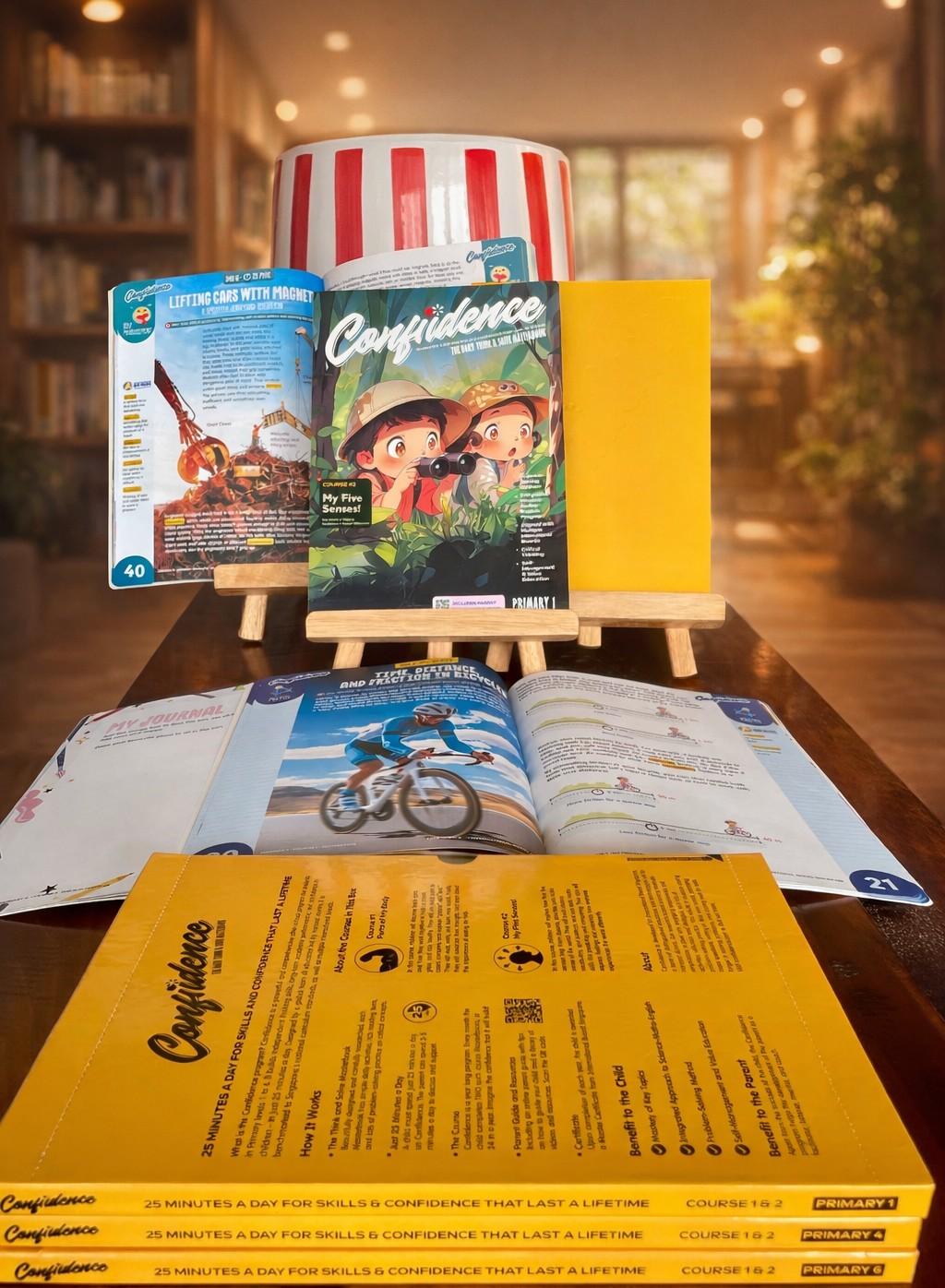
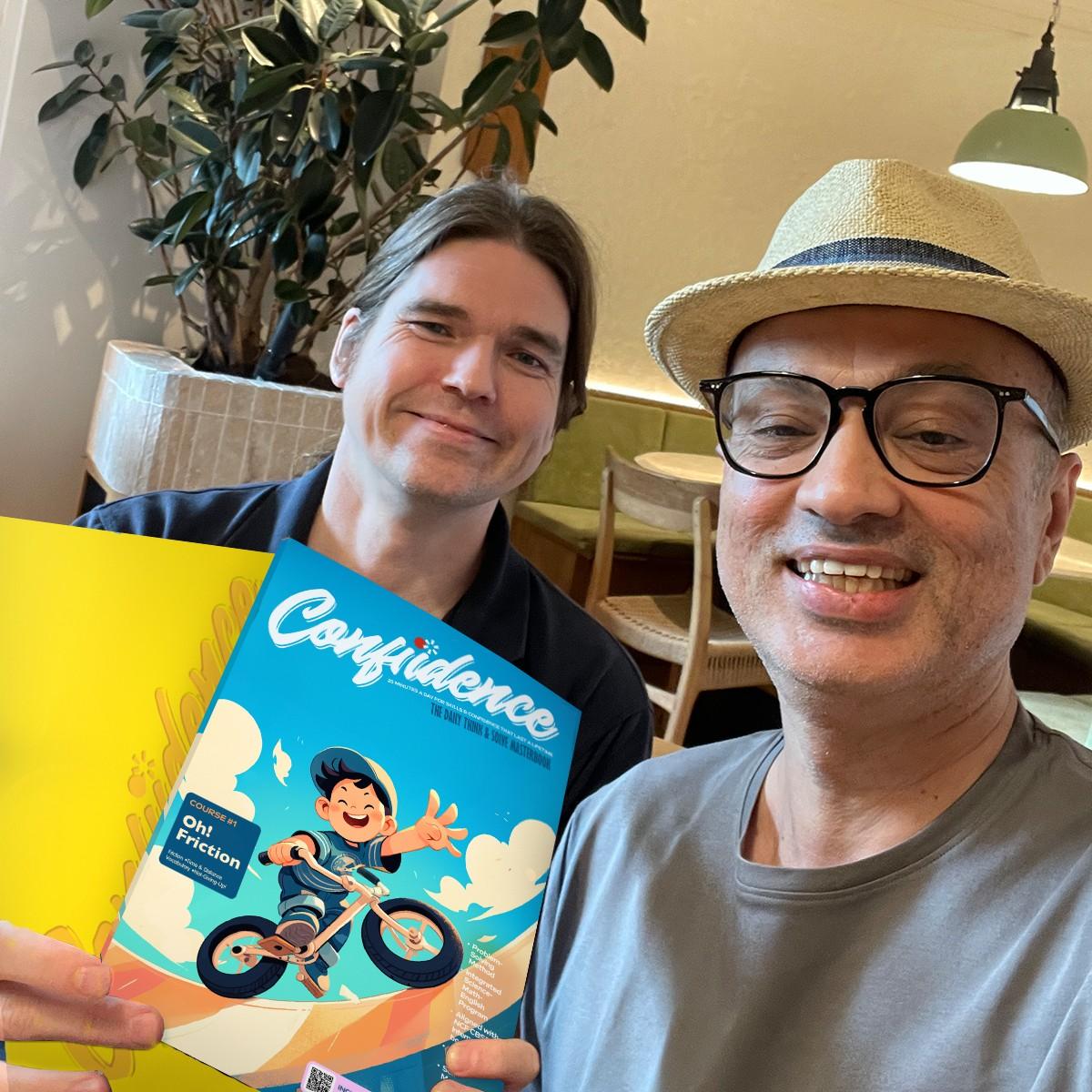
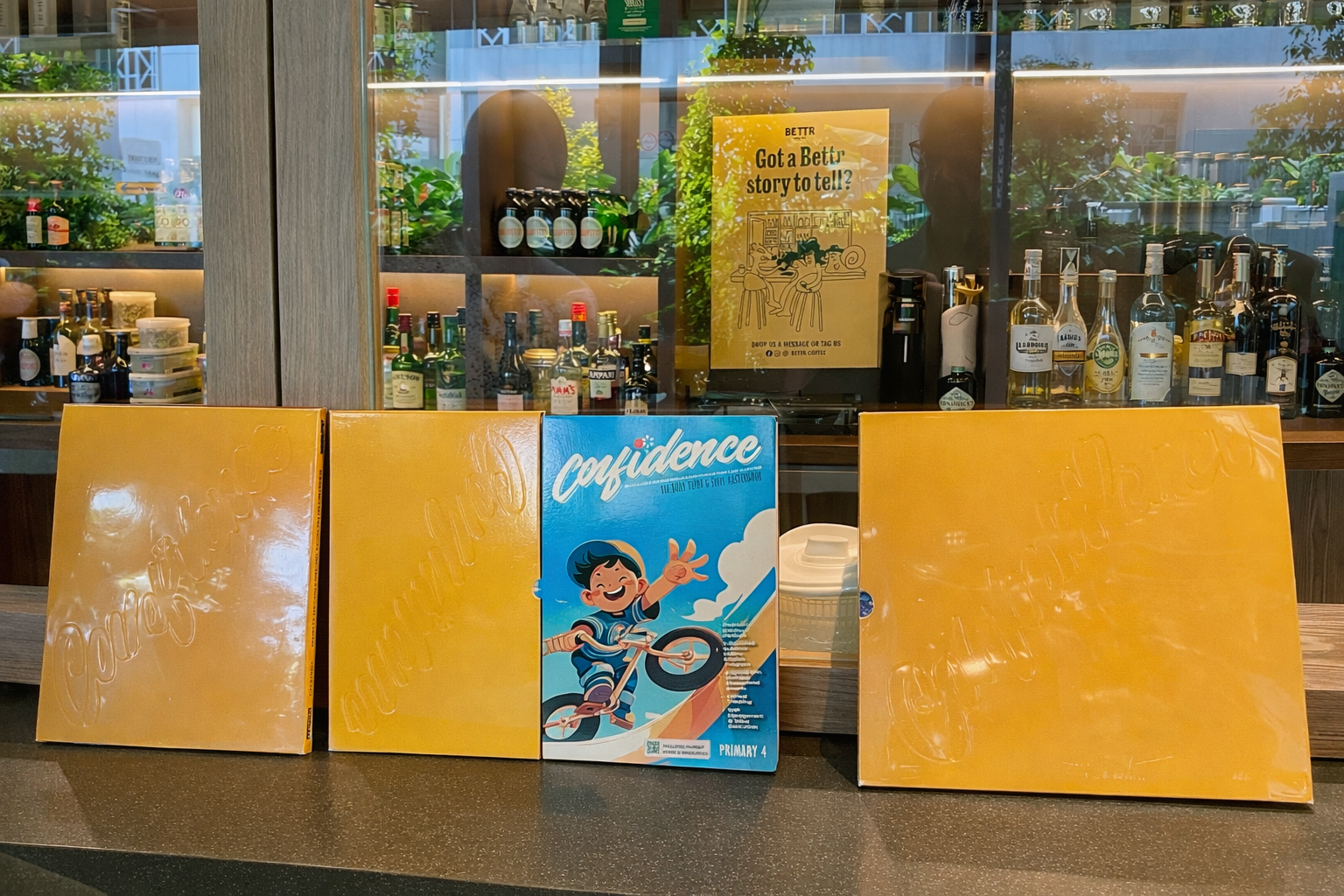
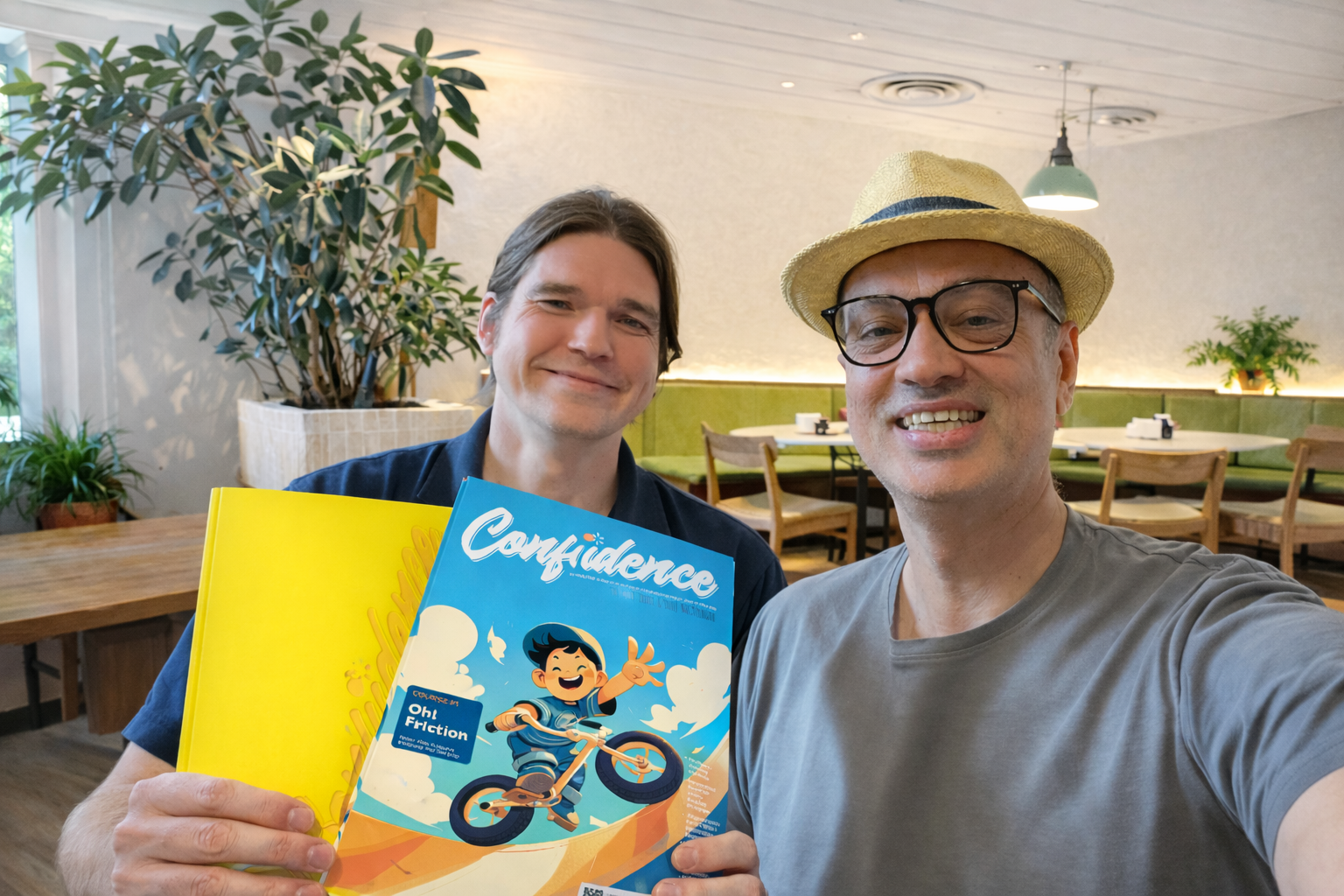
The child works every day on the Think & Solve Masterbook series. This is the core of the program and designed to build deep interest and mastery. It includes engaging research-based learning activities for every concept, rich reading text, discussion questions, and targeted problem-solving practice on critical concepts. Your child needs to spend just 25 minutes a day on the MasterbookApply Now

Parents

Parent’s Website.

The parent is recommended to spend five minutes a day with the child to participate in the work, excitement, and progress. In these five minutes you discuss what the child has read or done. Full guidance is given for this on a parent website that shares the entire content the child uses, along with tips and questions. A Youtube channel provides how-to videos for moms and dads to engage. An important side-effect of the program is rich conversations between parents and children, and parents becoming better facilitators of any discussionApply Now

Mentor

Mentor’s Session.

As an introductory offer, special mentor sessions are included in the program. Twice a month a trained professional educator checks in with your child in an online video session to monitor progress and provide feedback Apply Now

Sustained Educational Growth over time

Year-Long program.

Confiidence believes in consistent long-term effort. Hence it's a year-long program divided into “courses”. Each course has its own Think & Solve Masterbook, and typically takes 8 days to complete. The child receives two Masterbooks every month. So there is ample time to accommodate breaks, disruptions, or any travel the family may undertakeApply Now

Screen Free

Screen-Free Time.

Most importantly, Confiidence is designed as a SCREEN-FREE TIME program for children. There is increasing evidence on adverse effects of excessive screen time and social media on children. Most of the work of the child is in the physical Think & Solve Masterbooks provided. The website is for the parents Apply Now

Certificate

Master Certificate.

Upon completion of each year of the program, the child is awarded a Master Certificate from International Board Singapore. Children completing a year successfully would have completed two Think & Solve Masterbooks every month, i.e., a total of 24 Masterbooks in a yearApply Now

Screen Free

Explore Now. Just 60 seconds.

As you see, Confiidence is very carefully designed for parents with a keen desire to genuinely prepare their children for the future in a fundamental way, and participate in it. As soon as you apply we will reach out for a short, 10-minute chat for confirmationApply Now

"There is nothing like it out there!"

Takes just 60 seconds

Followed by a quick 10-minute chat.

Academic Excellence

PSLE
Success Success

How do Confiidence Foundational Skills help in PSLE Success?

The Confiidence program develops important foundational skills that are important for success on Singapore’s Primary School Leaving Examination (PSLE). Here are four specific examples of key skills that are required for the PSLE, and how Confiidence builds them in a foundational, non-quick-tricks way.

01 / SCIENCE

Data-Based Questions

What PSLE Demands

Over 40% of PSLE Science questions need students to read and interpret experimental data in graphs and charts.

How Confiidence Does It

Each Confiidence course has a weekly activity for students to record and interpret their own data. Then they solve rich questions with charts, graphs, and data tables.

02 / MATH

MULTI-STEP WORD PROBLEMS

What PSLE Demands

Multi-step word problems that apply math to the real world are the core of the challenging PSLE Math Paper 2, accounting for about 60% of its total marks.

How Confiidence Does It

Confiidence students solve at least 15 math word problems per course, i.e., over 350 such problems per year. The parent guide has detailed solving steps.

03 / LITERACY

Academic Vocabulary

What PSLE Demands

PSLE needs students to know 4 types of academic vocabulary:

Multi-purpose academic words, e.g., influence, accurate, contribute.
Descriptive writing words, e.g., desolate, spacious, vibrant.
Emotional & personal growth words, e.g., resilient, motivated, hesitant.
Environmental awareness words, e.g., sustainable, ecosystem, efficient.

How Confiidence Does It

Confiidence introduces at least 7 critical academic words in every course, a total of over 168 words per year.

04 / SELF-MANAGEMENT

Study Habits

What PSLE Demands

Study habits play a key role in PSLE success. Students with a year-round, consistent routine of studying on their own tend to achieve higher scores than those who just put in long hours before the exams.

How Confiidence Does It

Confiidence helps practice self-management habits every day via a simple, daily routine of 25 minutes to do, read, reflect, and practice.

REACH US now

Take just 60 seconds to reach us now!

Request invitation

enter your name.

+65

Enter an 8-digit SG mobile starting with 6, 8, or 9.

Enrollment Process

1

SUBMIT APPLICATION Just takes 60 seconds with basic information so we can reach you.

2

GET TO KNOW YOU We schedule a 10 minute phone chat with you & send you a confirmation soon after.

3

BEGIN THE CONFIIDENCE JOURNEY Pay for the program, receive the materials, get access to the website, and get started!

FEB 28  MEET UP Don't Miss!

YOU CAN START CONFIIDENCE WITH JUST A PHONE CALL!
TO MEET US AND KNOW MORE, THIS IS A GREAT OPTION. APPLY NOW

Time

10:30 AM to 11:30 AM

Venue

⁠⁠Bettr Coffee @ Foundry,
11 Prinsep Link, Singapore 187949

WHY CONFIIDENCE

The quiet confidence to navigate uncertainty

Thoughtful Educational Leadership - Philosophy & Vision

Dear Parent,

Years ago in my first class with 9-year olds, I wrote the word "Agenda" on the board and listed the lesson's plan. I liked kids knowing what was coming. A moment later, I checked: "What does 'agenda' mean, anyone?" A few hands went up. One boy answered excitedly, "To be a boy or a girl." I paused, smiled, and gently acknowledged his grasp of gender.

Fast forward to last year's Zoom science class. A quiet 10-year-old was stuck on friction. In a makeshift experiment, I grabbed a piece of wood and wrapped it in foil - it slid easily down a slanted tray. Then, wrapped in rough cloth, it refused to budge until I tilted the tray much steeper. Her face lit up for the first time. "I got it! Friction was trying to oppose gravity, and gravity won!" There is no feeling like that.

Courage is the most underestimated by-product of a good education. It grows from failing repeatedly and figuring things out for oneself, creating the habit of facing any problem with the quiet confidence that persistence will win. True learning demands more than watching or listening. Children must do something useful and interesting, then reflect on it, practice, receive feedback, and improve. In a quality setting, they experiment, discuss, question, cooperate, or disagree. Thus building the inner muscles of courage that serve them as adults. This is why we started Confiidence.

Courage is the most underestimated by-product of a good education. It grows from failing repeatedly and figuring things out for oneself, creating the habit of facing any problem with quiet confidence that persistence will win.

Confiidence steps in here with a gentle, screen-free daily ritual of the physical Masterbook and the parent conversation.

The Singapore school system is known for high performance - its PISA results stand out, and for all its stresses the PSLE preparation delivers results for many. Yet even for parents here, creating enough space for every child to develop flexible, independent thinking remains challenging. The world has changed, AI is automating routine tasks and demanding skills that go far beyond routine mastery. The MOE's 21st Century Competencies rightly call for critical and inventive thinking, strong self-management, empathy, ethical decision-making, and the ability to collaborate in ambiguity. All these sound like even more demands on an already stressed child and parent, yet the path forward must be taken.

Confiidence steps in here with a gentle, screen-free daily ritual of the physical Masterbook and the parent conversation. It quietly builds precisely the inner strengths needed - not only to succeed in exams, but to love learning itself. And ultimately to grow into thoughtful, resilient individuals ready to thrive in whatever future arrives, even shape it.